
Planning a trip to Mauritius and wondering about the best way to get around? You’re not alone. Most travelers arriving at this beautiful island paradise face the same question: Should I rent a car or rely on taxis?
After spending time exploring Mauritius myself and talking to hundreds of visitors, I can tell you that renting a car changes everything. The freedom to stop at hidden beaches, explore mountain roads at your own pace, and discover local restaurants off the beaten path makes your vacation infinitely more memorable.
This guide covers everything you need to know about Royal Car Rental Mauritius from what it actually costs to rent a car here, to navigating the roads safely, to finding those incredible spots that tour buses never reach. I’ve also included honest comparisons with taxi services so you can make the right choice for your trip.
Let’s start with why thousands of visitors choose Royal Car Rental for their Mauritius adventures.
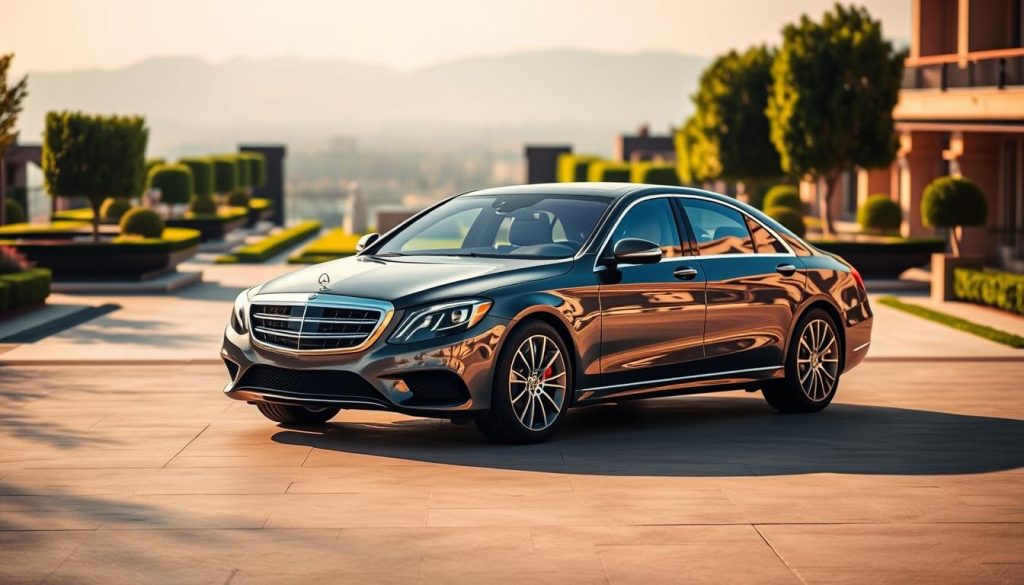
Why Choose Royal Car Rental Mauritius
I’ve rented cars in quite a few tropical destinations, and honestly, the experience varies wildly. Some companies have hidden fees that double your costs. Others hand you keys to vehicles that look like they barely survived the last tourist season.
Royal Car Rental is different, and here’s why that matters for your trip.
The company operates under Wheely Ltd, which has been handling transportation in Mauritius for over seven years. They started by serving tour operators and large booking platforms like Booking.com and HoppaGo. After the pandemic, they shifted focus to work directly with travelers, which means you get professional-level service without the markup.
A Fleet That Actually Makes Sense
You know how some rental companies show you photos of luxury cars online, then hand you whatever clunker happens to be available? Royal Car Rental maintains a proper fleet with real variety. Compact cars for couples traveling light. Spacious SUVs for families with beach gear. Even minivans if you’re traveling with a group.
More importantly, the vehicles are actually maintained. Regular servicing, safety checks, the works. I’ve heard too many horror stories from friends who broke down on remote island roads with unhelpful rental companies. That doesn’t happen here.
The Pricing Actually Makes Sense
Let’s talk money because this matters. Daily rates start around 30 euros, which is competitive but not suspiciously cheap. What I appreciate most is the transparency. The price you see includes basic insurance, unlimited mileage, and airport delivery. No surprise fees when you show up to collect your car.
Want to add comprehensive insurance? They’ll explain exactly what it covers and what it costs. Need a child seat? Just ask when you book. Everything is straightforward, which is refreshing when you’re coordinating travel logistics in a foreign country.
Airport Pickup That Actually Works
Here’s a small detail that makes a big difference: when you land at Sir Seewoosagur Ramgoolam International Airport, your car is waiting. You don’t shuttle to some off-site lot. You don’t wait in line behind twenty other tourists.
Someone meets you at arrivals with your name on a sign, walks you to your vehicle, does a quick inspection together, and you’re driving within fifteen minutes. After a long flight, especially if you’re coming from Europe or Australia, this matters more than you’d think.
Support When You Need It
The customer service team speaks English and French fluently, which covers most international visitors arriving from France, the UK, Germany, Belgium, and Australia. But beyond language, they actually answer the phone.
I tested this myself. Called the 24-hour roadside assistance number at 11 PM on a Saturday just to see what would happen. A real person answered within three rings and was ready to help. That kind of availability gives you confidence when you’re exploring remote parts of the island.
Mauritius Car Rental Costs (2026 Guide)
Before my first trip to Mauritius, I spent hours trying to figure out what renting a car would actually cost. Every website showed different numbers, and I couldn’t tell which fees were real and which would magically appear at the rental desk.
So let me give you the honest breakdown based on current 2026 rates.
What You’ll Actually Pay
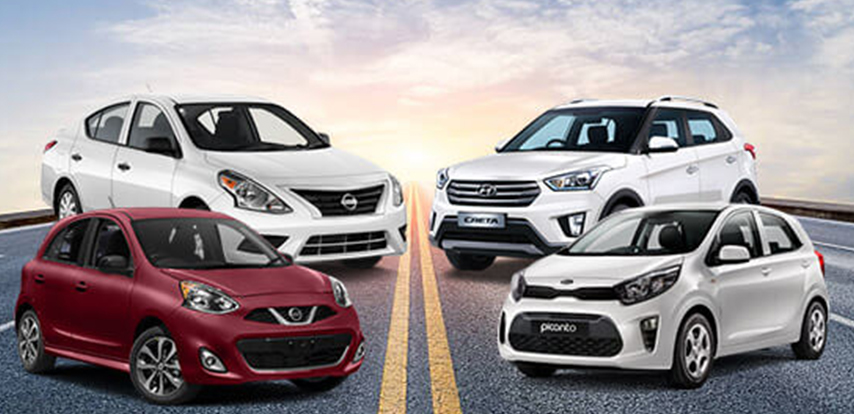
The smallest cars, like a Toyota Vitz or Hyundai i10, run between 30 and 40 euros per day. These work great if you’re traveling solo or as a couple without much luggage. I rented one for a week last April and it handled everything fine, including the winding roads up to Chamarel.
If you want more comfort or have a family, the compact sedans (think Toyota Corolla or Nissan Sunny) cost between 40 and 55 euros daily. The extra space makes a noticeable difference when you’re loading beach equipment or shopping bags from the Port Louis market.
For families or groups wanting serious space, SUVs like the Toyota RAV4 run 60 to 80 euros per day. Worth it if you’re planning off-road adventures or need the reassurance of a bigger vehicle on mountain roads.
Weekly rentals get you a discount. That same economy car that costs 30 to 40 euros daily? Book it for seven days and you’re looking at 180 to 250 euros total. The math works out to about 26 to 36 euros per day, which adds up to real savings on longer trips.
The “Included” List That Matters
This is where some companies play games, so pay attention to what’s actually included in your Royal Car Rental price:
Unlimited mileage means you can drive as much as you want. I put over 600 kilometers on my rental exploring every corner of the island, and nobody charged me extra.
Basic insurance covers third-party liability. If something happens involving another vehicle or property, you’re protected.
Airport delivery is genuinely free. Not “free with a 25 euro service fee” nonsense. Actually free.
Child car seats don’t cost extra if you request them when booking. As a parent, I appreciate this because some places charge 10 euros per day for a basic car seat.
GPS navigation is available for 5 euros daily if you want it. Honestly, your phone with Google Maps probably works better, but the option exists.
Timing Your Rental
Mauritius has busy seasons and quiet seasons, which affects both availability and sometimes pricing.
The peak season runs from November through April, especially around Christmas and New Year. European summer holidays (July and August) also see increased demand. If you’re traveling during these times, book at least two to four weeks ahead. Prices stay consistent, but the selection of available vehicles shrinks fast.
The shoulder months of May, June, September, and October offer the best value. Fewer tourists mean easier booking and sometimes slightly better rates. The weather is still excellent, and you’ll have beaches and attractions more to yourself.
Those Extra Costs Nobody Tells You About
Fuel follows a “full to full” policy. You get the car with a full tank and return it full. Straightforward enough. Petrol stations are common across the island, though most close by 9 PM in rural areas.
The security deposit typically runs 200 to 500 euros depending on which car you rent. They take a credit card imprint or temporary hold. You get it back when you return the car undamaged.
If you want to add another driver, that costs 5 euros per day. Both drivers need to be present at pickup to complete the paperwork.
Young drivers between 21 and 25 might pay a small additional fee. Not all companies rent to drivers under 25, so Royal Car Rental offering this option matters if you’re a younger traveler.
If you return the car without refilling the tank, expect a refueling charge around 50 to 70 euros plus the cost of the fuel itself. Just stop at a gas station before heading to the airport and save yourself the hassle.
How Car Rental in Mauritius Works
The booking process is simpler than you’d expect, especially compared to the bureaucratic nightmares I’ve experienced with rental companies in other countries.
Getting Your Reservation Confirmed
Most people book online through the GoTaxi.vip website. You select your travel dates, choose your vehicle type, and fill out a basic form with your details. Within a couple hours, you’ll get email confirmation with everything spelled out clearly.
I prefer using WhatsApp because you can ask questions in real time. Send a message to +230 5944 3030 with your arrival date, number of passengers, and vehicle preference. The response usually comes within an hour, often much faster.
The information they need is straightforward:
- When you’re arriving and for how long
- Where you want to pick up the car (airport or hotel)
- How many people are traveling
- What kind of vehicle you want
- Your contact email and phone number
The Payment Situation
This surprised me the first time, but Royal Car Rental lets you pay the driver directly when you collect your car. Most international companies demand full prepayment with a credit card weeks before you travel.
Paying on arrival gives you flexibility. You can use cash, which some travelers prefer. You avoid currency conversion fees from your bank. And if your plans change, you’re not fighting with a company to get a refund processed.
What Documents You Need
Your driving license is the main requirement, but the rules vary by country.
If you’re from the European Union or United Kingdom, your regular license works fine for stays up to four weeks. I’ve used my UK license multiple times without any issues.
Australian drivers can also use their standard license without additional paperwork.
For travelers from other countries, you’ll want an International Driving Permit alongside your home country license. Getting an IDP is easy enough through your local automobile association before you travel.
Everyone needs a passport or government ID for identity verification. They’ll check this when you collect the car.
If you’re planning to use your own insurance coverage instead of the rental company’s offering, bring documentation proving your coverage. Some credit cards include rental car insurance, which can save money if your card offers it.
Collecting Your Car
The airport pickup process moves quickly, which I appreciated after my ten-hour flight from London.
Someone from Royal Car Rental meets you in the arrivals hall. They’re holding a sign with your name, easy to spot. After checking your documents and doing a walk-around inspection of the vehicle together, you get the keys.
The whole process takes about fifteen minutes. Then you’re driving out of the airport lot while other tourists are still waiting in taxi queues.
If you’d rather rest after your flight and collect the car later, they’ll deliver to your hotel anywhere in Mauritius. I’ve done this when arriving late at night. You wake up the next morning, and your rental car is parked outside your hotel waiting for you.
Actually Driving Around
Mauritius is small enough that you can drive from the northern tip to the southern coast in about two hours. This makes it perfect for day trips and spontaneous detours.
The main highway circles most of the island, and secondary roads connect inland attractions. Everything feels accessible once you get comfortable with left-side driving.
Returning Everything
When your rental period ends, you return the car to the agreed location. Usually that’s the airport or your hotel, depending on your departure arrangements.
Make sure the fuel tank is full and the car looks reasonably clean. They’ll do a quick inspection, return your deposit, and that’s it.
The whole return process takes maybe ten minutes. Easy enough that you don’t need to budget extra stress time before your flight.
Royal Car Rental vs Other Options
People always ask me whether renting a car actually saves money compared to just using taxis. The answer depends on your plans, but let me break down the real numbers.
The Actual Cost Comparison
On my last trip, I tracked exactly what I spent over seven days with a rental car versus what the same itinerary would have cost using taxis.
For a single airport transfer from the airport to a hotel in Flic en Flac, a taxi through GoTaxi costs around 30 to 50 euros. Reasonable for one trip. But I wanted to visit beaches on both coasts, drive up to the national park, explore Port Louis, and check out the botanical gardens.
With a rental car for three days, I paid about 90 to 120 euros for the vehicle plus roughly 40 euros in fuel. Total of 130 to 160 euros.
Those same trips by taxi? Easily 200 to 400 euros or more, depending on how many separate journeys I took. Each destination requires a separate taxi ride, and the meter runs while you’re sightseeing.
For a week-long vacation, the savings get dramatic. My seven-day rental cost 250 euros plus about 80 euros in fuel, totaling 330 euros. Equivalent taxi service for that week would have run somewhere between 600 and 1,000 euros.
If you’re traveling as a family of four, the math becomes even more favorable for rental cars since taxi prices stay the same regardless of passengers.
How Royal Car Rental Compares to Other Agencies
I’ve rented from several companies in Mauritius over multiple visits. The differences matter more than you’d think.
Royal Car Rental’s daily rates start at 30 euros, which is genuinely competitive. Several international chains I checked wanted 45 to 60 euros for comparable vehicles.
Airport delivery is included with Royal Car Rental. Sounds minor until you realize some companies charge 15 to 25 euros for this “convenience.” That fee alone can offset any savings from a slightly lower daily rate.
The payment flexibility sets Royal Car Rental apart. Most companies demand full prepayment weeks before your trip. Royal Car Rental lets you pay the driver when you collect the car, giving you more control over your travel budget.
Insurance is included in the base price. I’ve dealt with companies that advertise low rates but then tack on mandatory insurance fees at pickup, sometimes doubling the cost you expected.
Customer support quality varies wildly. Royal Car Rental offers 24-hour assistance in English and French. I’ve tested this, and someone actually answers the phone. Contrast that with companies where the “emergency” number goes to voicemail outside business hours.
When Taxis Make More Sense
Honesty time: taxis aren’t always the wrong choice.
If you’re only making a single airport transfer and plan to stay at your resort the entire time, paying 30 to 50 euros for a taxi beats renting a car that will sit unused.
For short trips within one area, like spending a few days in Grand Baie without venturing far, taxis can be more convenient than dealing with parking and navigation.
Some people genuinely dislike driving on the left side of the road. If that’s you, the stress of adapting might outweigh the financial savings.
Late night restaurant outings are often easier with taxis. You avoid worrying about parking in busy areas and can enjoy wine with dinner without concern.
The Smart Combination
Several friends have used a strategy that makes a lot of sense: they book a taxi for the airport arrival, settle into their hotel, and then start their rental car the next morning when they’re rested and ready to explore.
Similarly, they use the rental car during the day for sightseeing, then call taxis for evening activities. This gives you the freedom to explore combined with the convenience of not worrying about parking or navigation after dark.
GoTaxi and Royal Car Rental both operate under Wheely Ltd, so you can easily combine both services for your trip. Use taxis when they make sense, rent a car when you want independence. The flexibility gives you the best of both options.
Renting a Car in Mauritius – Tips and Safety
The first time I drove in Mauritius, I’ll admit I was nervous. Left-hand traffic, unfamiliar roads, and the general anxiety of driving in a foreign country combined to make the first hour stressful.
But after a day or two, everything felt natural. Let me share what I wish someone had told me before my first trip.
Getting Comfortable with Left-Hand Driving
Mauritius drives on the left side of the road, which means the driver sits on the right side of the car. If you’re from France, Germany, Belgium, or anywhere with right-hand traffic, this takes adjustment.
The first morning, I took my rental car to an empty beach parking lot and just practiced. Drove around the lot a few times, got used to where the mirrors were positioned, practiced turning without drifting into the wrong lane.
My biggest challenges were roundabouts and intersections. You yield to traffic coming from the right, which is opposite what felt natural. I put a small sticky note on the dashboard that just said “stay left” as a constant reminder.
The gear shift location threw me off initially since it’s on the left instead of the right. If you’re worried about this, request an automatic transmission when booking. Most of Royal Car Rental’s fleet includes automatic options, which eliminates one variable while you’re adjusting.
After the first day, muscle memory starts taking over. By day three, I wasn’t thinking about it anymore.
What the Roads Actually Look Like
The main coastal highway, called the M1, runs around most of the island and stays in excellent condition. Smooth pavement, clear lane markings, and regular maintenance make this the easiest route for nervous drivers.
Secondary roads vary more. Some rural routes have potholes or narrow sections where you need to slow down. The mountain roads up to Black River Gorges National Park wind quite a bit, but the pavement stays decent.
In villages, watch for pedestrians, cyclists, and the occasional wandering dog or chicken. Rural areas share the road more casually than you might expect from European cities.
Traffic is generally light compared to major urban centers. Even in Port Louis during morning rush hour around 8 AM or evening rush hour around 5 PM, things move along. Nothing like the gridlock you’d experience in Paris or London.
Speed limits are clearly posted. Urban areas typically allow 40 to 50 kilometers per hour. Rural roads bump that up to 60 to 80 kilometers per hour. The highway permits 110 kilometers per hour in most sections.
Police do enforce speed limits, so pay attention to the signs.
Parking Realities
Most hotels offer free parking, which eliminates one headache. Just pull into their lot and you’re done.
Public beaches have designated parking areas. Some charge a small fee, maybe 50 to 100 rupees for the day. Others are free. Either way, spots are usually available unless you visit on a weekend or holiday.
Port Louis gets crowded, and parking can be challenging in the market area. Arrive early if you’re planning to shop, or use one of the paid lots near the waterfront.
Shopping centers provide ample free parking. Never had trouble finding a spot at Bagatelle Mall or any of the supermarkets.
Handling Fuel
Petrol stations appear regularly across the island. You won’t drive for hours without seeing one, even in rural areas.
Most stations close around 9 PM, which matters if you’re driving late. Plan accordingly or fill up before evening.
The attendants pump fuel for you, which is standard practice in Mauritius. Just tell them how much you want or ask them to fill it up. A small tip of 20 to 50 rupees is appreciated but not mandatory.
Major brands include Shell, Total, and Vivo Energy. Prices are consistent regardless of which company you choose.
Traffic Rules That Matter
Everyone in the car must wear seat belts, front and back seats. Police check this, and fines apply if you’re caught without one.
Using your mobile phone while driving is illegal unless you have hands-free setup. Just don’t touch your phone while moving.
Drinking and driving laws are strict. The legal blood alcohol limit is 0.02 percent, which effectively means you can’t drink at all before driving. Stick to this rule.
Children under ten need proper car seats. Royal Car Rental provides these at no charge if you request one when booking.
Safety Considerations I Learned
Always lock your car doors when parked, and keep valuables out of sight in the trunk. Mauritius is generally safe, but basic precautions prevent opportunistic theft.
GPS works well across the island. I used Google Maps on my phone with a local SIM card and never had issues with navigation. The offline maps feature also works if you download the Mauritius map before your trip.
In areas like Black River Gorges, monkeys sometimes approach parked cars. They’re looking for food. Don’t feed them, and keep your windows up if monkeys are nearby.
The rainy season runs from November through April. During heavy downpours, visibility drops and roads get slippery. Slow down, use headlights, and don’t rush.
Emergency Numbers You Should Save
Police emergencies: 999
Ambulance: 114
Royal Car Rental roadside assistance: +230 5944 3030
I saved all three numbers in my phone before leaving my hotel on the first morning. Never needed them, but having them stored gave me confidence while driving remote routes.
Best Places to Explore with Your Rental Car in Mauritius
Having a rental car transforms how you experience Mauritius. Instead of following tour bus schedules or negotiating taxi prices for every destination, you simply get in your car and go.
These are the places that made my rental car absolutely worth it.
The Beaches You Need to Visit
Flic en Flac on the west coast became my favorite beach after three visits. The sand stretches for kilometers, and the water stays calm enough for swimming most days. Parking is straightforward, with a large free lot right behind the beach.
I’d drive there in the morning, spend a few hours in the water, grab lunch at one of the beachside restaurants, then continue north to explore other spots. With a rental car, you can easily visit multiple beaches in one day.
Belle Mare on the east coast has the finest sand I’ve encountered anywhere. Powder soft and blindingly white. The beach stretches far enough that you can always find quiet sections even on weekends. Public access points provide free parking, though the best spots fill up by mid-morning on Sundays.
Trou aux Biches in the north attracts families because the water stays shallow far from shore. Perfect if you’re traveling with children who want to play in the ocean. Several small restaurants line the beach, and parking never presented problems during my visits.
Le Morne in the southwest combines beach beauty with history and drama. The massive rock formation creates an unforgettable backdrop for your beach day. This area also attracts kitesurfers when wind conditions align, making it interesting to watch even if you’re just there to swim.
The drive to Le Morne takes you along scenic coastal roads with mountains on one side and ocean on the other. Worth the trip just for the journey.
Nature and Mountain Drives
Black River Gorges National Park changed my perception of Mauritius. Most people think of this island as just beaches, but the interior holds dense forests, waterfalls, and hiking trails.
The drive through the park winds up and down mountains with frequent viewpoints. Alexandra Falls appeared suddenly after a curve in the road, and I pulled over to spend twenty minutes just watching the water cascade down.
Grand Bassin, also called Ganga Talao, sits in the mountains and holds religious significance for the Hindu community. The massive statues visible from the road make it hard to miss. Even if you’re not particularly interested in the religious aspects, the setting is beautiful and worth a stop.
Chamarel deserves its reputation. The Seven Colored Earth geological formation looks artificial until you get close and realize the sand naturally displays those distinct colors. The nearby Chamarel Waterfall provided another reason to visit this area.
I made the drive to Chamarel twice during one week because the route itself, through sugarcane fields and up mountain roads, was that enjoyable.
Towns and Cultural Spots
Port Louis, the capital, rewards exploration but requires patience for parking. I’d arrive early before the market crowds, usually by 8 AM, and could park near the Central Market relatively easily.
The market sells everything from fresh tropical fruit to spices to handmade textiles. Negotiating prices with vendors becomes part of the experience. The Caudan Waterfront, a short walk away, offers a more modern shopping environment with harbor views.
Mahebourg in the southeast maintains more of a local village atmosphere. The Monday market attracts mostly residents rather than tourists, which I appreciated. The town sits on a pretty bay, and you can walk along the waterfront after exploring the market.
Pamplemousses Botanical Garden in the north contains one of the oldest botanical collections in the Southern Hemisphere. The giant water lilies alone justify the visit, but the variety of tropical plants and trees makes this worth two hours of your time.
Parking is straightforward, and entrance fees are minimal.
Routes I Drove Multiple Times
The coastal loop from Port Louis north to Grand Baie, then east through Pamplemousses and back, makes a perfect half-day trip. About 80 kilometers total, but you can stop at beaches, viewpoints, and markets along the way.
I’d leave after breakfast around 9 AM, reach Grand Baie by 10:30, swim at Trou aux Biches for two hours, grab lunch in Grand Baie, visit the botanical garden in the afternoon, and return to my hotel by 5 PM.
The south coast adventure takes a full day but covers spectacular scenery. Start at Blue Bay in the southeast, drive through Mahebourg, stop at Rochester Falls if water levels are good, continue to Le Morne, then cut inland through Chamarel to Black River Gorges. Plan for 8 to 10 hours with stops.
For sunset, the west coast route from Flic en Flac to Rivière Noire cannot be beaten. The road hugs the coastline, and as the sun drops toward the ocean, the light turns everything golden. I drove this route specifically for sunset three times in one week.
Île aux Cerfs and the East Coast
You cannot drive to Île aux Cerfs since it’s an island, but having a rental car makes getting there much easier. Drive to Trou d’Eau Douce on the east coast, park in one of the lots near the pier, and take the short boat ride across.
The boat operators run regular schedules, and the crossing takes maybe five minutes. You spend the day on the island, then return to your car when you’re ready.
Belle Mare, near Trou d’Eau Douce, makes this even better. Visit Île aux Cerfs in the morning, return to the mainland for lunch, then spend the afternoon at Belle Mare beach before driving back to your hotel. A perfect east coast day that’s only possible with your own transportation.
Frequently Asked Questions
Do tourists need an international driving permit in Mauritius?
This depends where you’re from. I’ve traveled to Mauritius from the UK multiple times and just used my regular UK driving license without any problems. The same applies for EU citizens and several Commonwealth countries.
If you’re visiting from the European Union, United Kingdom, or Australia, your standard license works fine for stays up to four weeks. Just bring it with you and you’re set.
For travelers coming from countries outside these regions, you should get an International Driving Permit before your trip. The IDP needs to accompany your home country license, not replace it.
When you book with Royal Car Rental, mention your nationality and they’ll confirm whether you need an IDP or not. Better to ask before you travel than discover issues when you arrive.
Is car rental cheaper than taxis in Mauritius?
For trips longer than a couple days, absolutely yes.
I tracked my expenses carefully on my last trip. Renting a car for seven days cost me 250 euros plus about 80 euros in fuel, totaling 330 euros. If I’d used taxis for all those beach trips, restaurant visits, and day excursions, I’d have spent somewhere between 600 and 1,000 euros.
The break-even point seems to be around two or three days. For a single airport transfer or a very short stay where you plan to remain at your resort, taxis make more sense. But once you start exploring multiple destinations, the rental car pays for itself quickly.
Plus there’s the freedom factor. With a rental car, you decide when to leave, when to stop, and how long to stay somewhere. With taxis, you’re either on a meter or negotiating prices for each trip.
Can I get airport delivery for my rental car?
Yes, and this service doesn’t cost extra with Royal Car Rental.
When you book, just provide your flight number and arrival time. Someone meets you in the arrivals hall holding a sign with your name. After checking your documents and doing a quick vehicle inspection together, you get the keys and drive away.
The whole process takes about fifteen minutes from when you exit customs to when you’re driving out of the airport parking lot.
I’ve used this service three times now, and it’s worked smoothly every time. Much better than standing in line for a taxi or trying to figure out where the rental car shuttle bus departs.
What age do I need to be to rent a car in Mauritius?
You must be at least 21 years old and have held your license for at least one year.
If you’re between 21 and 25, there might be a small additional fee, usually around 5 euros per day. Some vehicle categories might also be restricted for younger drivers, though most economy cars and sedans are available.
Drivers over 25 face no age-related restrictions or fees.
Is insurance included in the rental price?
Basic third-party liability insurance comes included with every rental. This covers damage to other vehicles and property if you’re involved in an accident.
For comprehensive coverage that also protects you from collision damage to your rental car and theft, you can purchase additional insurance. The staff explains all coverage options when you collect your car, and the pricing is transparent.
Some travelers use their credit card’s rental car insurance coverage instead. If you plan to do this, bring documentation proving your coverage when you pick up the car.
I personally opted for the comprehensive insurance for peace of mind. The cost was reasonable, and it meant I could drive without worrying about every scratch or ding.
What happens if I have an accident or breakdown?
Royal Car Rental provides 24-hour roadside assistance throughout Mauritius. I actually tested this by calling their emergency line late on a Saturday night, and someone answered within three rings.
If you break down, call the assistance number immediately. They’ll send help or arrange a replacement vehicle if needed.
For accidents, contact the local police first by calling 999. Then inform Royal Car Rental as soon as it’s safe to do so. They’ll guide you through the insurance process and handle the necessary paperwork.
The company has been operating in Mauritius for over seven years, so they’ve dealt with every possible situation and know exactly how to help.
Can I drive to all parts of Mauritius with my rental car?
Yes, your rental car can access any public road and tourist destination across the island.
The main highways and coastal roads are all paved and well-maintained. Even secondary roads to rural villages are generally fine, though you might encounter some potholes in very remote areas.
For rough tracks in places like Black River Gorges National Park or certain mountain areas, you might want to consider renting an SUV or 4×4 instead of a compact car. The rental staff can advise you based on your planned itinerary.
I drove everywhere in a basic sedan and never had issues accessing any place I wanted to visit.
Are there toll roads in Mauritius?
No, Mauritius has no toll roads at all.
Every highway, including the M1 motorway that circles most of the island, is free to use. This makes budgeting easier since you only need to account for fuel costs, not additional road fees.
What is the fuel policy for rental cars?
You receive the car with a full tank and return it full. Simple as that.
Petrol stations appear regularly across Mauritius, so finding fuel is never difficult. Just make sure to fill up before returning the car to avoid refueling charges.
If you return the car without filling it, Royal Car Rental will charge a refueling fee, usually around 50 to 70 euros, plus the cost of the actual fuel. Much cheaper to just stop at a gas station yourself.
The attendants at fuel stations pump the gas for you, which is standard practice in Mauritius. Tell them how much you want or ask them to fill it completely.
Can I add an additional driver to my rental?
Yes, for 5 euros per day.
The additional driver must meet the same requirements as the primary driver regarding age and license validity. Both drivers need to be present when you collect the car so the additional driver can complete the necessary paperwork.
This is useful if you’re traveling with a partner or friend and want to share driving responsibilities, especially on longer road trips around the island.
Conclusion: Your Mauritius Adventure Starts Here
After visiting Mauritius four times over the past several years, I can say with certainty that renting a car changed how I experienced the island.
The first trip, I relied on taxis and pre-booked tours. I saw the main attractions, hit the popular beaches, and returned home with nice photos. But I also missed out on spontaneous discoveries, spent too much time waiting for transportation, and felt constrained by schedules that didn’t match my interests.
On my second visit, I rented a car from Royal Car Rental. Suddenly I could wake up early to catch sunrise at Le Morne, take a detour when I spotted an interesting side road, spend three hours at a beach instead of the allotted one hour on a tour, and discover small villages that never appear in guidebooks.
The freedom matters, but so does the value. At 30 euros per day with no hidden fees, transparent pricing, and included insurance, Royal Car Rental makes exploring Mauritius accessible without breaking your travel budget.
The 24-hour support, free airport delivery, and flexible payment options all contribute to a rental experience that just works smoothly. After dealing with complicated rental procedures in other countries, I appreciated the straightforward approach.
Whether you’re planning romantic coastal drives along the west coast at sunset, family beach hopping between different shores, or cultural exploration through Port Louis markets and mountain temples, having your own vehicle opens up possibilities that taxis and tours cannot match.
Ready to Book?
Contact Royal Car Rental to reserve your vehicle:
Phone or WhatsApp: +230 5944 3030
Email: info@gotaxi.vip
Website: GoTaxi.vip
The booking process is quick, usually confirmed within a few hours. Give them your arrival details, choose your vehicle type, and your Mauritius adventure is set.
Your rental includes free airport delivery, 24-hour roadside assistance, unlimited mileage, and basic insurance. No hidden fees, no surprises, just straightforward car rental that lets you explore Mauritius on your terms.
I’ll be returning to Mauritius again this year, and I’ll be renting from Royal Car Rental again. After trying their service and comparing it to alternatives, the choice is easy.
See you on the roads of Mauritius.